by James Clive-Matthews | 5 Aug, 2024 | Systems & Technology
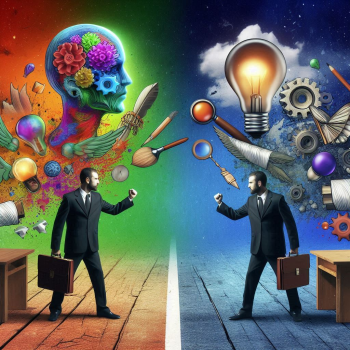 Given the music industry’s track record of building successful cases for unauthorised sampling and even inadvertent plagiarism (aka Cryptomnesia, as with the George Harrison ‘My Sweet Lord’ lawsuit back in the 70s) this will be the one to watch.
The music industry’s absolutist approach to copyright is a dangerous path to follow, however. How can you legally define the difference between “taking inspiration from” and “imitating”? What’s the difference between a GenAI tool creating music in the style of an artist, and an artist operating within a genre tradition?
*Everything* is a mashup or a reference, to a greater or lesser extent – that’s how culture works. We’re all standing on the shoulders of giants – as well as myriad lesser influences, most of which are subconscious. Hell, the saying “there’s nothing new under the sun” comes from the Book of Ecclesiastes, written well over 2,000 years ago.
Put legal restrictions on the right of anyone – human or bot – to build or riff on what’s come before, and culture risks hitting a dead end.
So while I have sympathy with artists’ concerns, the claim that GenAI could “sabotage creativity” is a nonsense in the same way claims that the printing press or photocopier could sabotage creativity are. Creativity is about the combination of ideas and influences and continual experimentation to find out what works – GenAI can help us all do this faster than ever. If anything, this should help increase creativity.
What *does* sabotage creativity is short-termist, protectionist restrictions on who’s allowed to do what – exactly like the ones these lawsuits are trying to impose.
by James Clive-Matthews | 1 Aug, 2024 | Systems & Technology
 The decline in news audiences reported here – 43%, or 11 million daily views – is shockingly high. This follows Canada’s ill-considered battle with Meta, which led to Meta pulling news from its platforms, including Facebook, in the Canadian market last year, rather than arrange content licensing agreements with news publishers.
This amply demonstrates the vast power these tech platforms have in society and over the media industry, and so justifies the Canadian government’s worries. But it also more than shows – once again – how utterly dependent the online content ecosystem is on these channels for distribution.
Meta/Facebook obviously isn’t a monopoly, but a 43% decline in news consumption thanks to the shutting down of one set of distribution channels? It’s a safe bet that much of the rest of the traffic will be from Google, so it’s more of a duopoly.
What impact is this level of reliance on a couple of gatekeeping tech platforms – who can change their policies on a whim at any time – going to have on public awareness of current events and society at large
Elsewhere in the article we have an answer: “just 22 per cent of Canadians are aware a ban is in place”.
Shut down access to news, little wonder that awareness of news stories stays low.
Both Canada (with Meta) and Australia (with Google and Meta) have tried forcing the tech giants into doing licensing deals for content that their platforms promote. In both cases, this has – predictably – backfired, and led to the opposite effect to that intended.
But what’s the solution?
This question is becoming more urgent now that GenAI is in the mix, and starting to provide summaries of stories rather than just provide a headline, image, and link.
Meta/Google were effectively acting like a newsstand – showing passing punters a range of headlines to attract their attention and pull in an audience.
GenAI’s summarisation approach, meanwhile, is much closer to what Meta and Google were being (unfairly) accused of doing by the Canadian and Australian governments: Taking traffic away from news sites by providing an overview of the story on their own platforms.
But the GenAI Pandora’s Box has already been opened. Publishers need to move away from wishful thinking – the main cause of the failed Australian/Canadian experiments – and back to harsh reality.
Unlike the Meta news withdrawal – which could be reversed – this new threat to content distribution models isn’t going away.
by James Clive-Matthews | 16 Jul, 2023 | Marginalia
Fascinating long read, combining my old focus on film with my current one on tech, business, and society.
Core to this piece is a fundamental question: What is a fair wage in a digital era in which the connection between the effort and means of production and the business bottom line is utterly obscure?
Lots of interesting questions – not least of which is: Could Hollywood actors striking be a tipping point for AI awareness and regulation?
“SAG-AFTRA is one of the most well-known labor unions in the United States (everybody loves a celebrity). Partnering with WGA to draw a line in the sand over the AI threat to workers is a huge deal that I believe can benefit people in the many different industries beyond Hollywood that are facing the same existential danger that the technology presents. Precedents are important, and big wins on national platforms can help the little guys get what they deserve too.”
