
3/5 stars
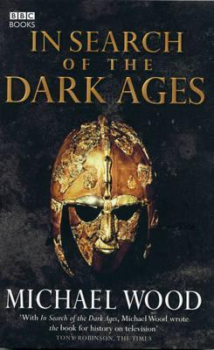
This is a strange book. Originally written to accompany a BBC TV series back in 1981, it has since been extensively revised to reflect the (substantial) changes in understanding of this long period – covering over a thousand years, from Boudicca to the Norman Conquest.
That period alone is enough to raise an eyebrow. What the hell does Wood mean by “the Dark Ages”? And why, if he’s in search of them, does he focus purely on England? Equally, why does he choose to explore them by focusing on a series of individuals?
In part, the thinking seems to be that by centering each chapter on a named individual, you can explore the sources to understand how much we can really know in an era of fragmentary record keeping and near constant conflict. This is a nice enough idea – but it’s been done better elsewhere, especially in the last decade or so, as archaeology and history have merged and a glut of good books have come out on the Vikings and Anglo-Saxons in particular.
Equally, given the use of the term “Dark Ages” – usually contrasted to the Greek/Roman Golden Age and the Renaissance – it’s strange the focus here is largely on politics and power rather than culture and learning and civilisation and society.
Not a bad book, certainly, but its episodic nature betrays its roots in television. It’s let down by the fact that there’s really no clear connecting thread, and nor is there a flowing narrative – something seemingly made worse by Woods’ laudable decision to add some new chapters about prominent women in this revised edition, to counter his early 80s patriarchal mindset and work in some more recent scholarship.
Nonetheless, Woods is a good writer, and this is engaging enough – it just feels a bit confused and incomplete.